

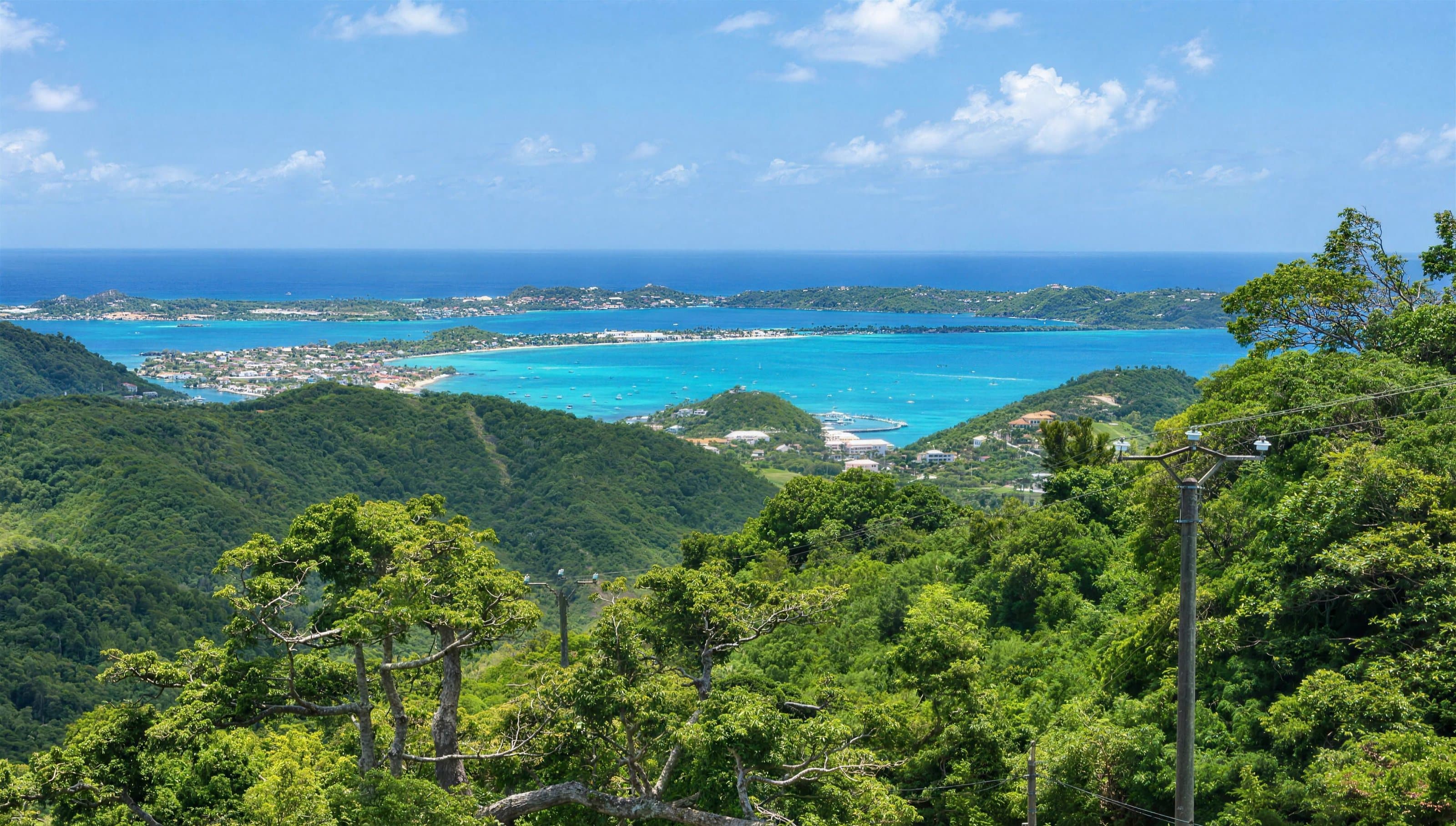
French side or Dutch side of St. Martin: which should you stay on?
Stay on the French side for quiet evenings, French food and the wilder beaches. Stay on the Dutch side for casinos, late nights and big resorts within walking distance. That is the honest short answer from Micheline and Lionel, who live on the French side. The island is small and the border is open, so you are choosing a base, not a country: one end to the other is about 40 minutes by car. Here is how the two sides really differ, including the practical things most comparisons leave out: money, power plugs, phones, tipping and the police checks on the drive home.
The short answer
Neither side is better overall. They are good at different things:
- French side: the better food, especially in Grand Case and Marigot; most of the island's beaches, including the quietest; villas and small hotels; calm evenings.
- Dutch side: all of the island's casinos and most of its nightlife; the big resorts and timeshares; duty-free shopping on Front Street in Philipsburg; the main airport and the cruise port.
- Both: the same sea, the same weather, and the whole island within about 40 minutes by car.
The French side: food, beaches and quiet nights
Saint-Martin covers the northern part of the island, about 53 km², and is part of France. It feels French Caribbean: bakeries, wine with lunch, prices in euros and French rules on the road. Marigot, the capital, has a market and a waterfront lined with lolos, small grill restaurants serving Creole food by the water. Grand Case, a former fishing village on the north coast, is a street of restaurants where much of the island goes for dinner.
Most of the island's beaches are on this side, and they vary a lot: the long, empty beaches of Terres Basses, calm Anse Marcel, Friar's Bay with Happy Bay over the hill, and Orient Bay on the Atlantic coast, with its beach bars and water sports. Places to stay are mostly villas, guest houses and small hotels, and there are no casinos.
The downside: evenings are quiet, and outside Grand Case and Marigot there is little within walking distance. You will want a car.
The Dutch side: resorts, nightlife and the airport
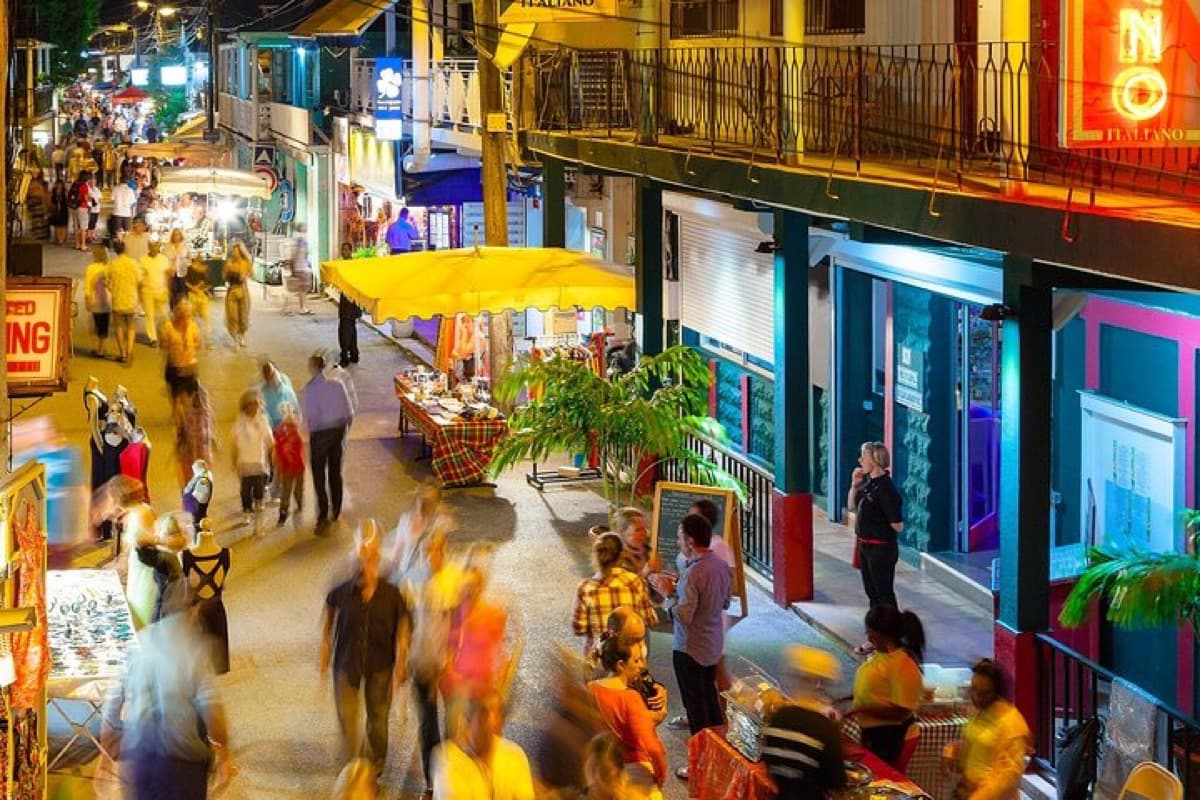
Sint Maarten covers the southern part of the island, about 34 km², and is a country within the Kingdom of the Netherlands. English is the everyday language, prices are mostly in US dollars and the pace is busier. The main airport, Princess Juliana, is here, and so is the cruise port in Philipsburg, which welcomes nearly 1.6 million cruise passengers a year.
This is where you find the island's casinos, the late bars of Simpson Bay and Maho, the large resorts and timeshares, and duty-free shopping on Front Street. Simpson Bay is the busiest strip and very popular with American visitors: practical if you want everything within walking distance, less so if you came for quiet.
The Dutch side also has some of the island's best beaches. Mullet Bay is the one Lionel recommends most: a real mix of locals and visitors, loungers to rent or room for your towel, a beach restaurant, and planes coming in to land at Princess Juliana. Cupecoy, by the border, has sandstone cliffs and Dany's beach bar, which Lionel rates the best place on the island for a sunset drink, all year round.
Which side has the better beaches?
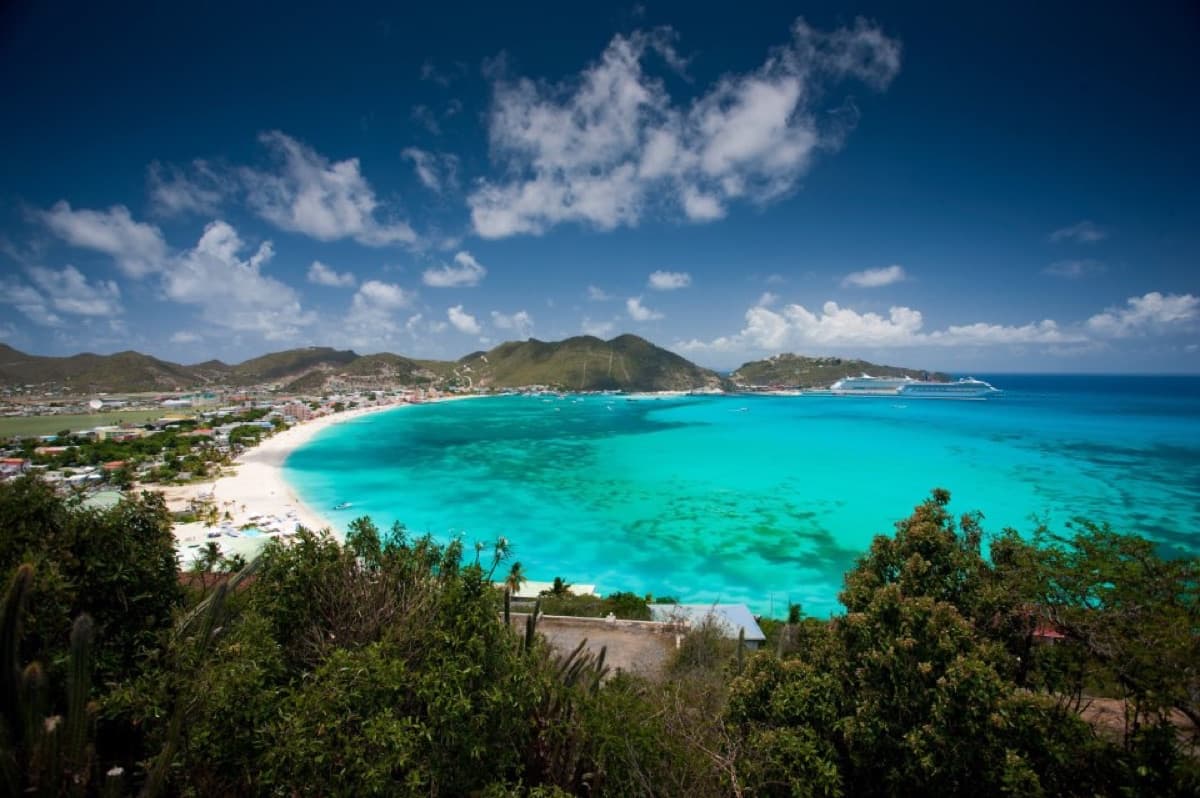
The French side has more beaches and the quieter ones. The Dutch side has fewer and busier beaches, but Mullet Bay is among the best on the island. By area:
- French side, West End: Baie Longue, Plum Bay and Baie Rouge. Long, quiet and with no facilities, so bring everything you need.
- French side, north and east: Friar's Bay, with Happy Bay a 10-minute walk over the hill; Grand Case, best for a drink at the end of the day; Anse Marcel, calm and shallow, good for children; and Orient Bay, with Atlantic waves, beach bars, water sports and a clothing-optional end.
- Dutch side: Mullet Bay for loungers, food, jet skis and planes; Cupecoy for cliffs, coves and sunsets; Maho for watching planes land just overhead; and Great Bay in Philipsburg, which gets busy on cruise-ship days.
The practical differences most guides miss
The two sides share an island but not their rules. These are the differences that catch visitors out:
- Money: on the French side, cards are charged in euros; on the Dutch side, in US dollars or Caribbean guilders. Cash is easier, and often cheaper: most restaurants and bars on both sides take US dollars at one for one with euros, so paying in US dollar cash is usually your best option. For cards and cash machines, a free Wise or Revolut account lets you pay and withdraw in the local currency at or close to the real exchange rate, without the hidden fees many banks add.
- Power: the French side uses 220 volts and European two-pin plugs, the Dutch side 110–120 volts and US plugs. Most phone and laptop chargers accept both voltages, so a plug adapter is usually all you need; check the label on hair dryers and other appliances.
- Phones: on the French side, French and EU mobile plans work at home rates, but not on the Dutch side. Near the border your phone can switch to a Dutch-side network without you noticing, so check which network you are on. Visitors from the US or Canada should check that their plan covers both Saint-Martin and Sint Maarten.
- Tipping: on the Dutch side, restaurants usually add a service charge of 15 to 18% to the bill, so check it before you tip again. On the French side, a tip is expected but up to you, and smaller than on the Dutch side. Card machines there usually have no tip option, so carry cash if you want to leave one.
- Emergencies: call 112 on the French side; on the Dutch side, 911 for police, 912 for an ambulance and 919 for the fire service. The hospitals are the Louis-Constant Fleming hospital in Marigot and St. Maarten Medical Center in Cay Hill.
- Language: French is the official language on the French side, Dutch and English on the Dutch side. English is spoken everywhere.
- Border: there is no passport or customs check between the two sides, just a sign at the roadside.
What to avoid, on either side
Most of what goes wrong for visitors here is avoidable:
- Drinking and driving, especially on the French side. The legal limit there is 0.5 g of alcohol per litre of blood, and the police often set up roadblocks to check for exactly this. After dinner in Grand Case, have a designated driver or book a taxi home.
- Losing your temper on the road. Drivers here stop in the road to talk to someone they know, and you will get stuck behind tourists on quad bikes or in rented Jeeps. Don't honk: you will gain nothing. Relax, you are on holiday.
- Leaving things in the car. At quiet beaches especially, leave nothing on view.
- Swimming without looking first. Most beaches have no lifeguard, and some shelve steeply into deep water.
- Philipsburg on a big cruise day. When several ships are in, the town and the beaches nearest the port fill up; go to the West End instead.
- Orient Bay in a sargassum season. On the Atlantic coast, seaweed can wash up at certain times of year; ask before you drive over.
A few favourites on each side
Whichever side you stay on, these are worth the drive:
- French side: dinner in Grand Case, where Micheline and Lionel's pick is Le Cottage; lunch at the lolos on the Marigot waterfront, where Chez Raymond is excellent; lunch at Friar's Bay Beach Café, the big red one on the sand, then the 10-minute walk over the hill to Happy Bay; Loterie Farm, a nature reserve with pools, music and zip lines in the forest below Pic Paradis, the island's highest point.
- Anse Marcel, on the French side: the drive over the hills has views of Anguilla or St. Barth, depending on your direction. The water is calm and shallow, and guests of Villa Zenitude can ask Lionel to book loungers and lunch at the Beach House at Anse Marcel Beach.
- Diving: Lionel's pick is Blue Odyssey, at Baie Nettlé on the French side. It dives sites on both sides of the island and teaches CMAS and PADI courses in small groups. They reply quickly on WhatsApp. To learn to dive, you need a certificate from your doctor saying you are fit to dive.
- Dutch side: a day at Mullet Bay; a sunset drink at Dany's on Cupecoy beach; watching planes land at Maho, once.
Or stay on the border: the West End
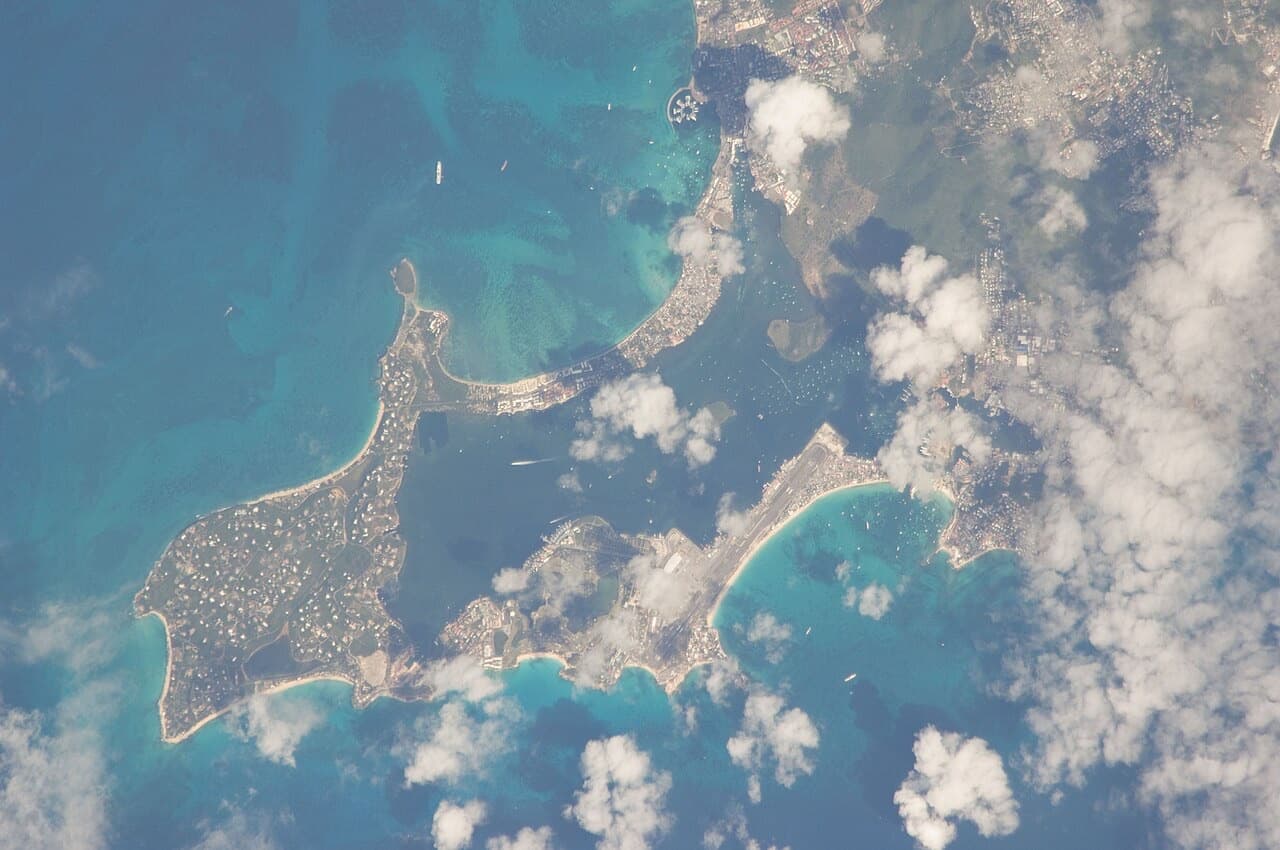
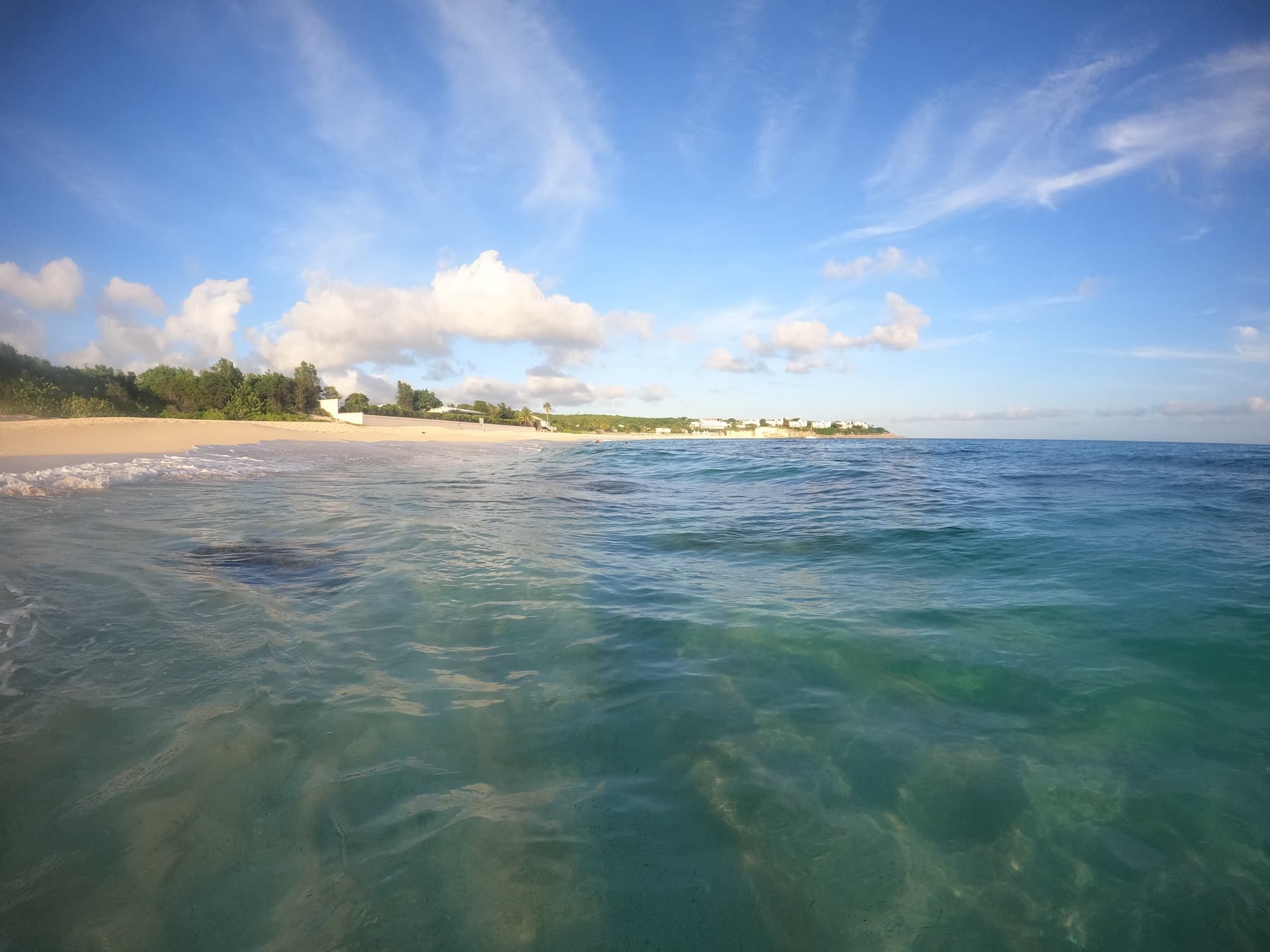
There is a third option: stay on the French side, right next to the Dutch side. Terres Basses, at the western tip of the island, is a quiet, gated villa area on the French side with three of the island's emptiest beaches. From there, Cupecoy on the Dutch side is about 5 minutes by car, Mullet Bay and Maho 5 to 10, Marigot about 10, and the airport 10 to 15.
You get the quiet nights of the French side, with the Dutch side's beaches and restaurants a short drive away. The trade-off is that there is nothing to walk to: Terres Basses has no shops, bars or restaurants, so you will need a car.
Sources
- Wikipedia: Collectivity of Saint Martin, area and 2021 census
- UK Government toponymic factfile: Sint Maarten, area and official languages
- Caribbean Journal: St. Maarten cruise passenger numbers
- St-Maarten.com: casinos in St. Maarten
- Sotheby's International Realty SXM: electrical outlets on both sides
- Arcep: roaming rules in French overseas territories, including Saint-Martin (in French)
- About SXM: tipping and service charges on both sides
- Service-Public.fr: drink-driving limits in France (in French)
- Visit St. Maarten: the Bangladesh St. Martin travel ban is not the Caribbean island
- Saint-Martin Tourist Office: Blue Odyssey Diving
- Loterie Farm
Questions
Which side of St. Martin is better, French or Dutch?
Neither is better overall. The French side is better for food, beaches and quiet; the Dutch side for nightlife, casinos, big resorts and shopping. The island is small and the border is open, so you can enjoy both from either side.
Which side of St. Martin has the best beaches?
The French side has more beaches and the quieter ones, including Baie Longue, Baie Rouge, Happy Bay and Orient Bay. The Dutch side has fewer and busier beaches, but Mullet Bay is one of the best on the island.
Do you need a passport to cross between the French and Dutch sides?
No. There are no border checks between the two sides; a sign at the roadside marks the crossing. You do need a passport to arrive on the island.
Do I need a plug adapter in St. Martin?
It depends on the side. The French side uses 220 volts and European plugs, the Dutch side 110–120 volts and US plugs. Visitors from North America usually need an adapter on the French side, and Europeans on the Dutch side.
Do you tip in St. Martin?
Yes, but differently on each side. Dutch-side restaurants usually add a service charge of 15 to 18% to the bill. On the French side, a tip is expected but discretionary and smaller, and you will usually need cash, because card machines rarely offer a tip option.
Are there casinos on the French side of St. Martin?
No. All of the island's casinos are on the Dutch side, mainly in Philipsburg, Simpson Bay and Maho.
Is St. Martin closed to tourists?
No. Both the French and Dutch sides of the island are open to visitors. Reports of "St. Martin" closing to tourists are about St. Martin's Island in Bangladesh.
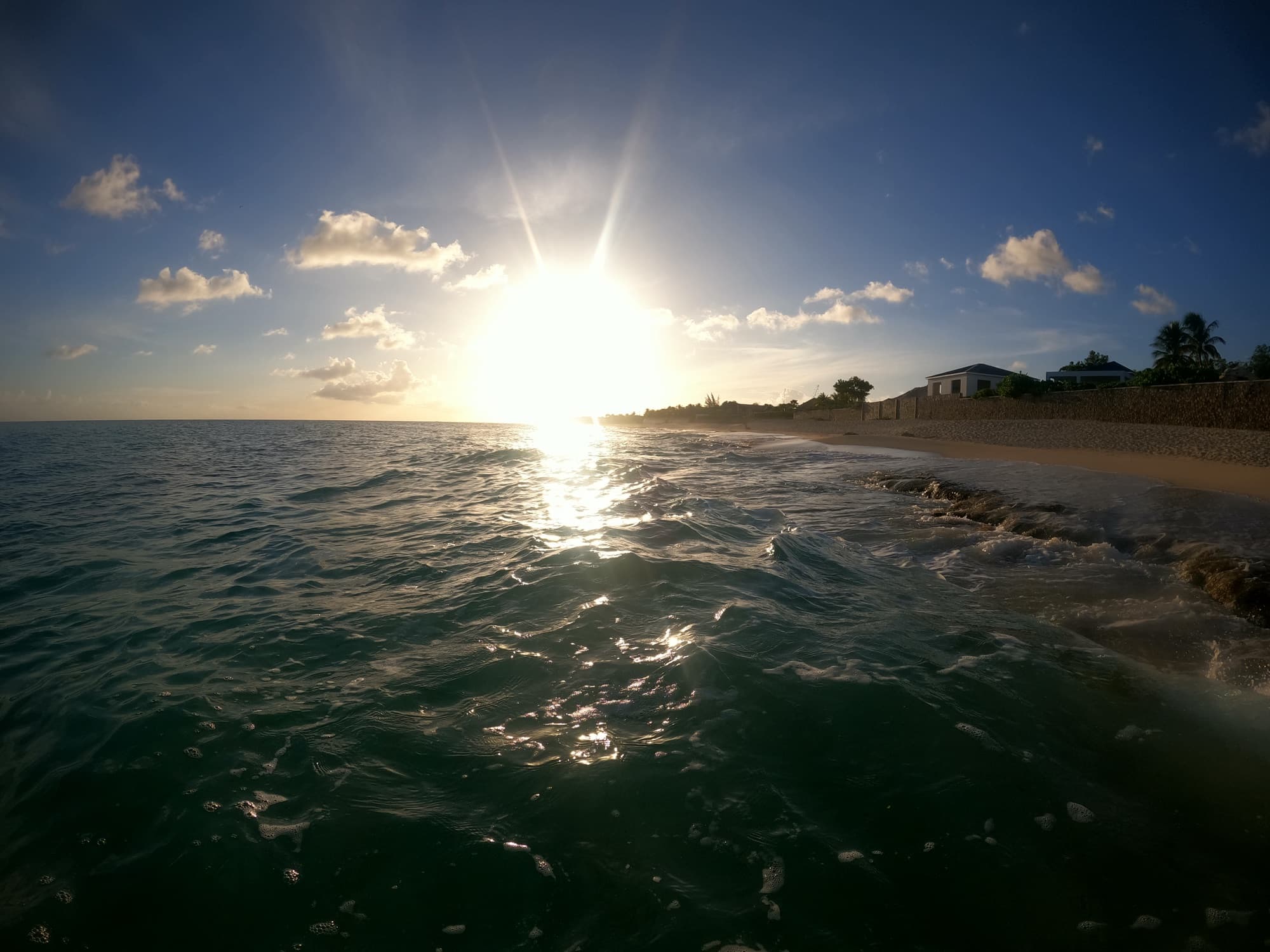
French-side quiet, Dutch-side beaches next door
Villa Zenitude is a private one-bedroom guest house in Terres Basses, on the French side, with a plunge pool, a 200° sea view and the Dutch side about 5 minutes away.
See the villa